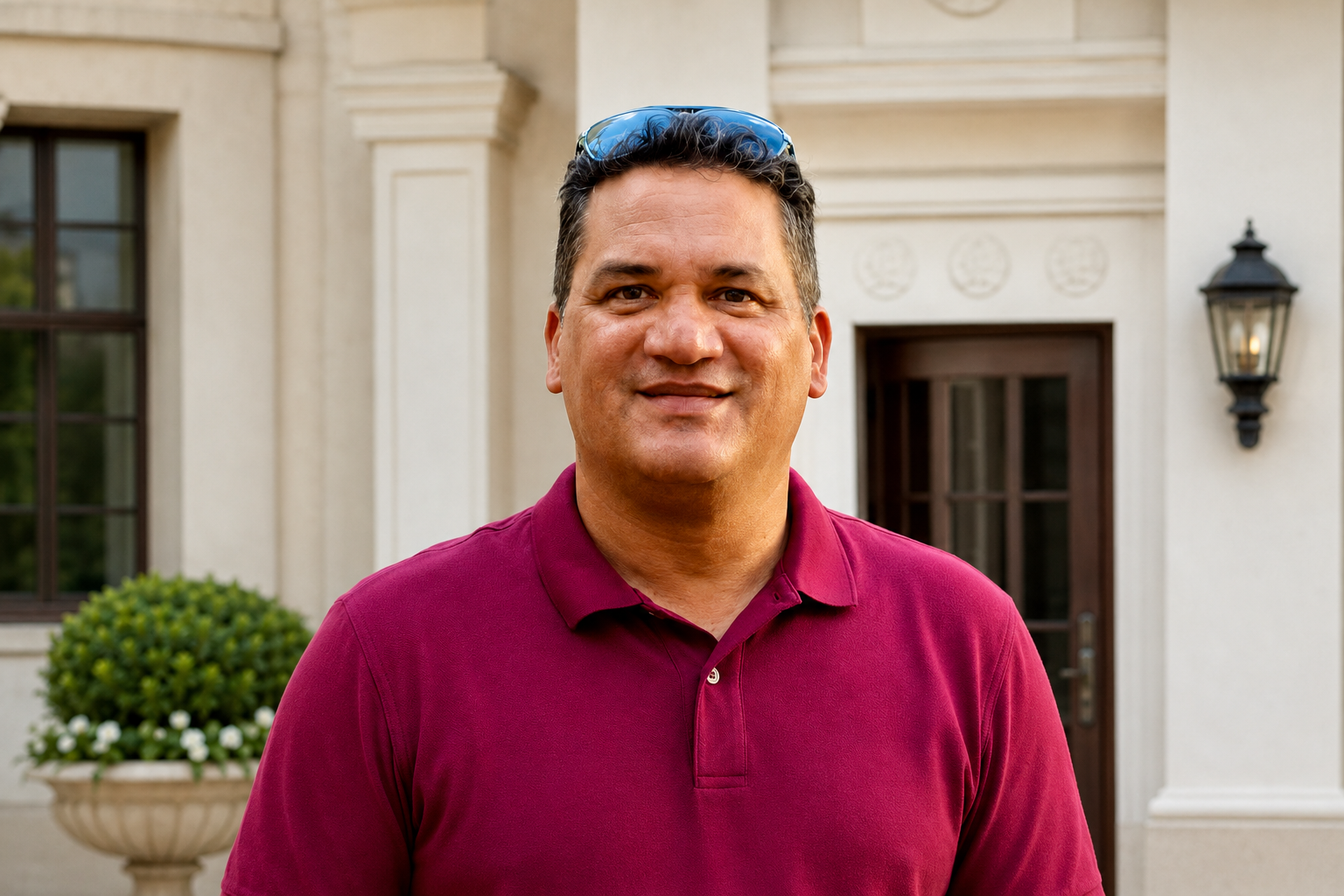
Blades Turning
The story of learning to code in my fifties — and why a garden turned out to be the right mental model for machine learning, risk, and starting over.
“My age, rather than being a hindrance or disadvantage, served as fertilizer that enriched the soil — the patience, resilience, and perspective that only time, wisdom, and life experience can provide.”
Read the full essay
How I Cultivated Gardens and Algorithms in My Mid-50s - June 2026
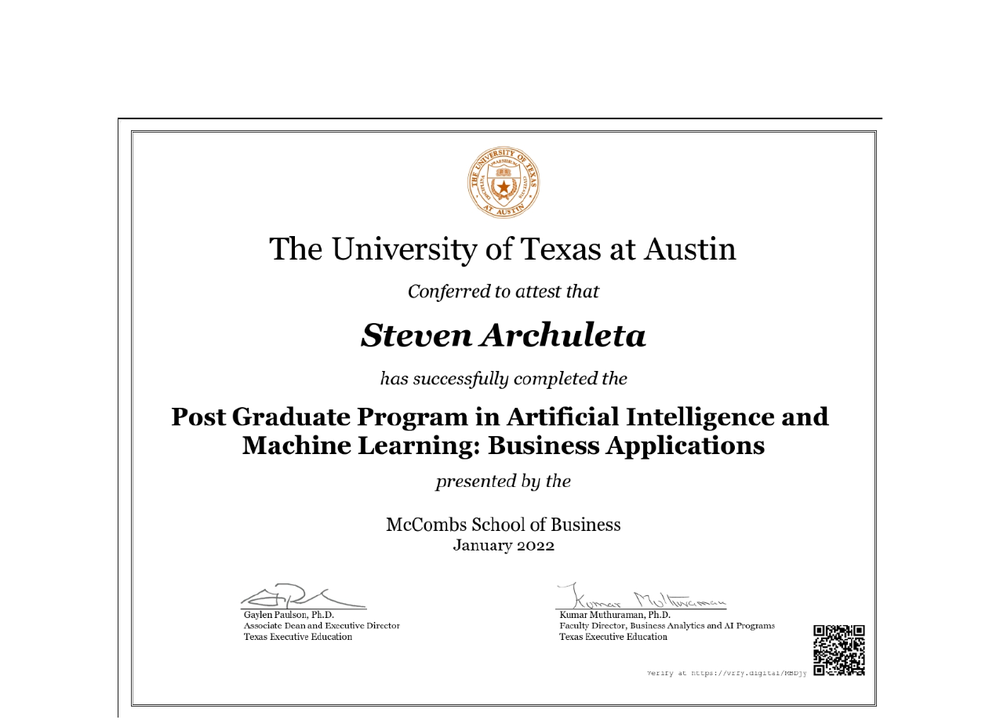
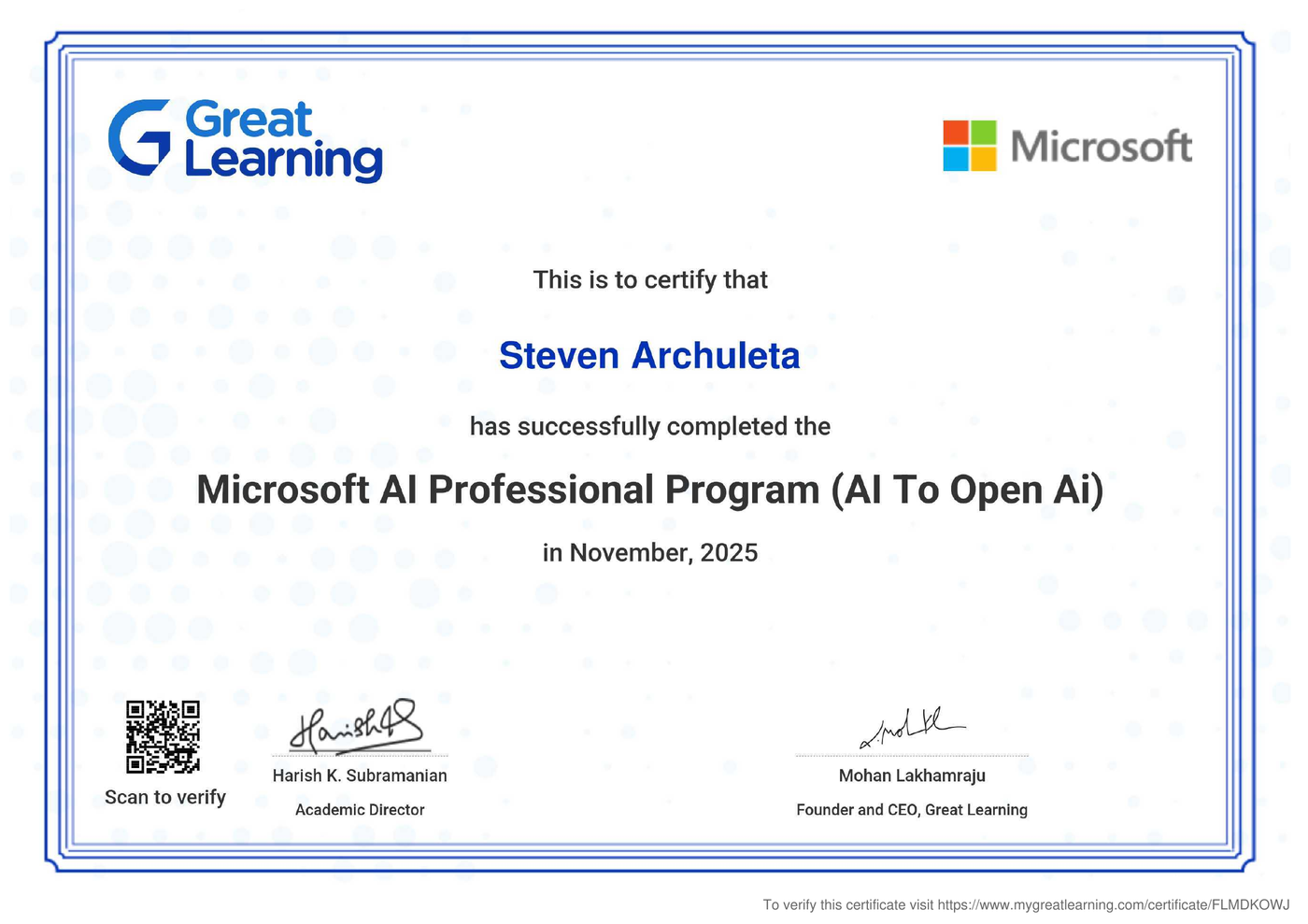
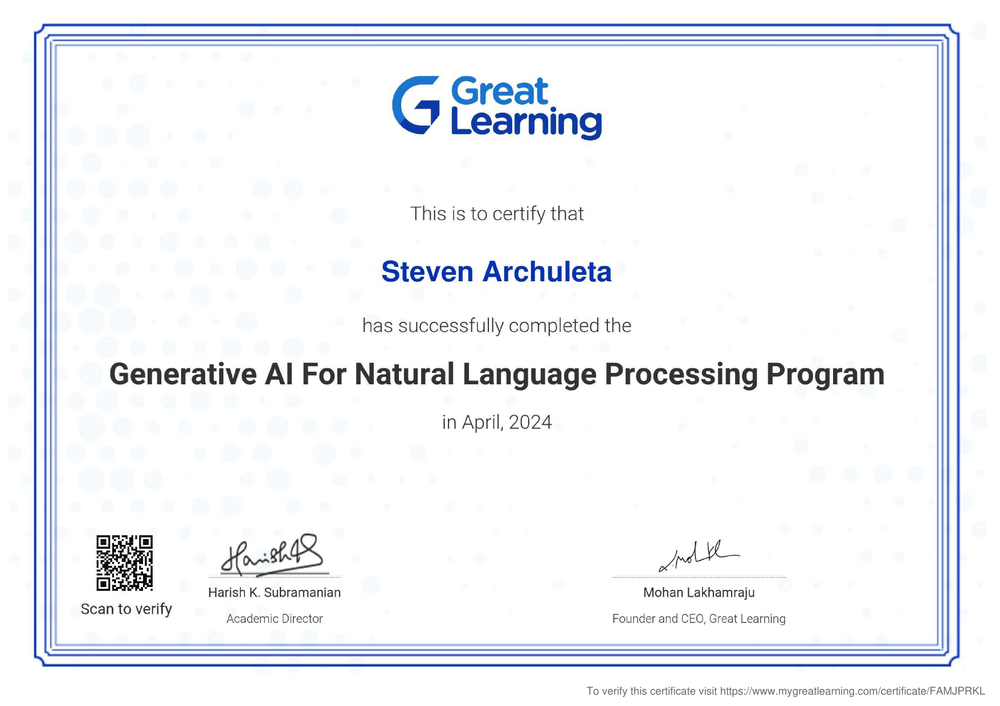
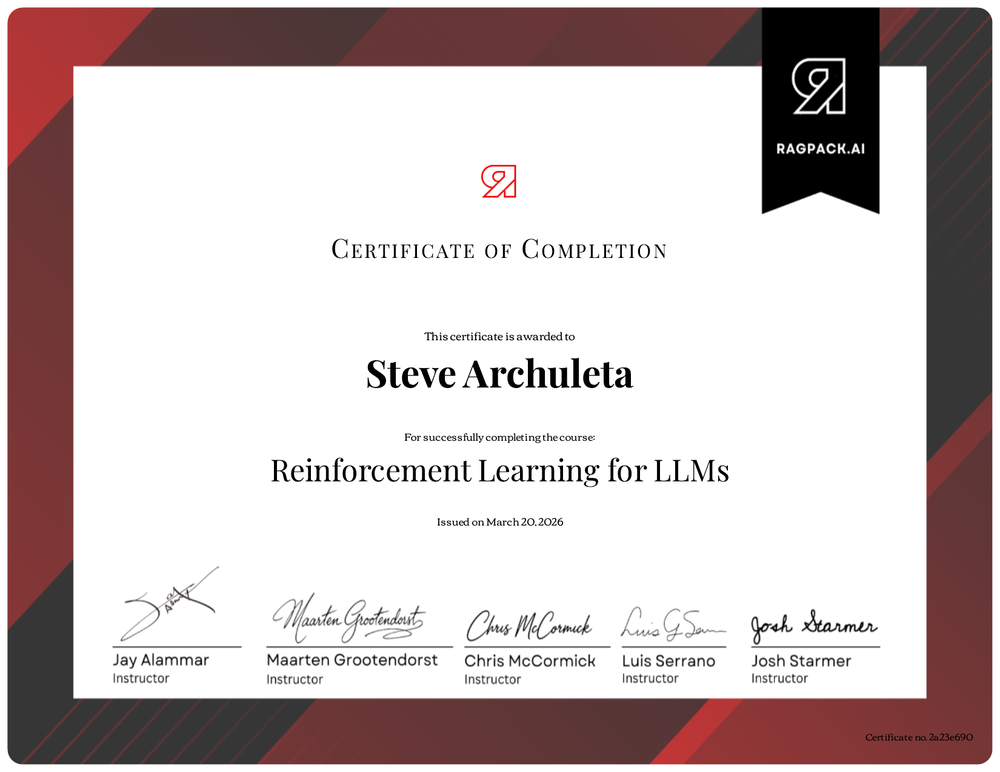
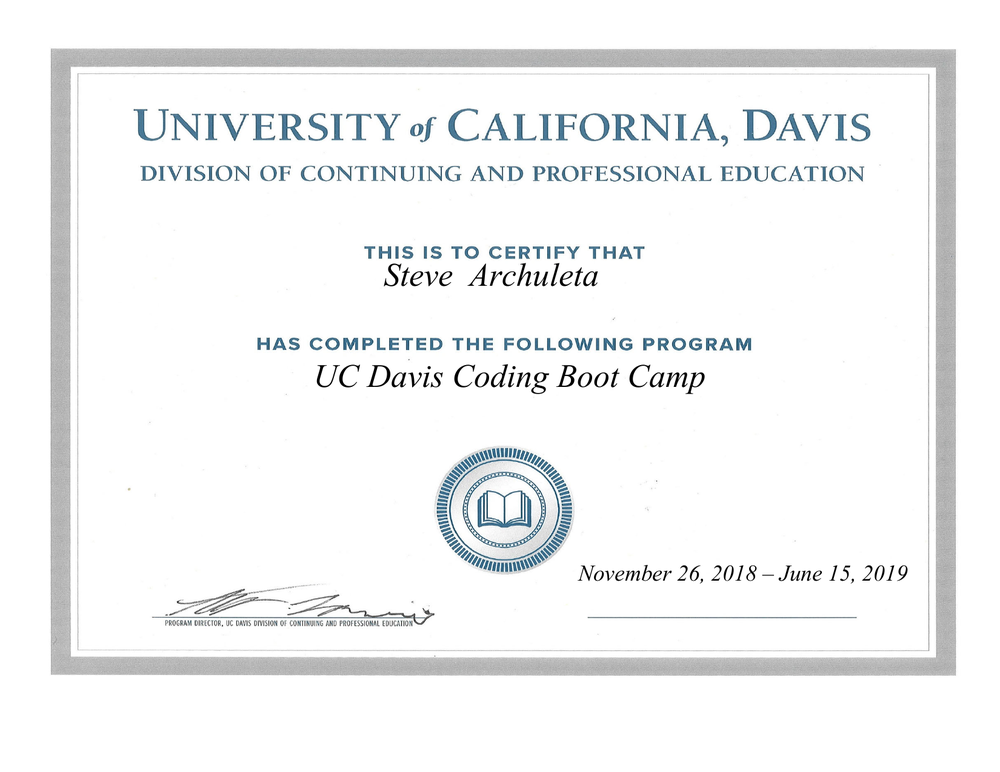
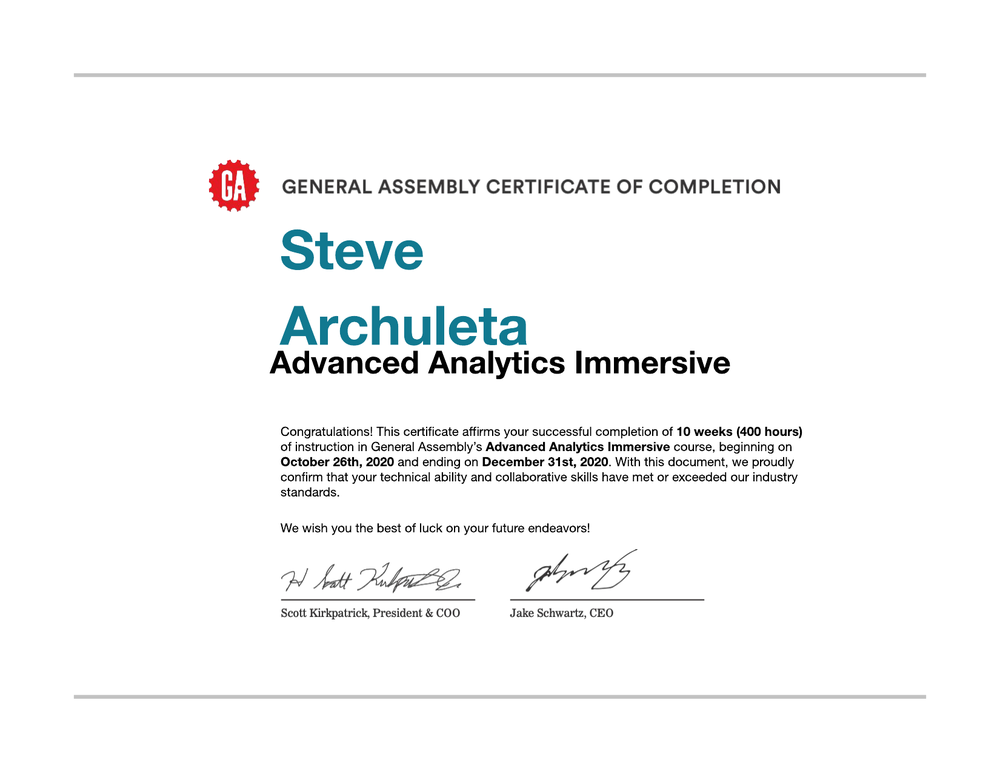
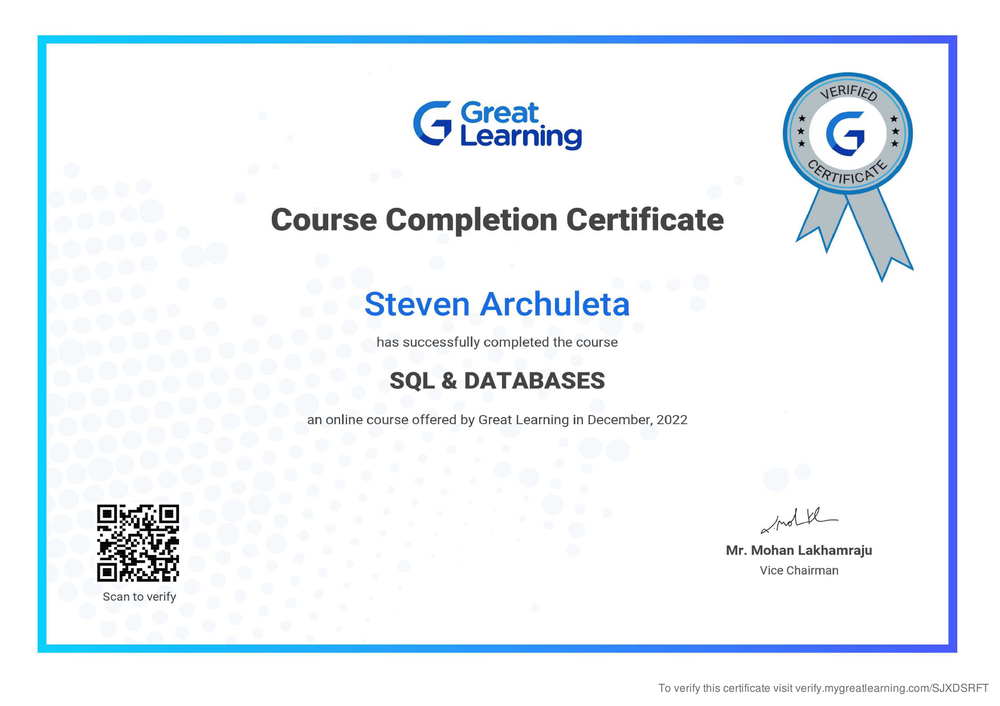
When you know how to mow a lawn, the blades turn and you push forward. However, developing algorithmic models is not like mowing a lawn. Coding is sometimes confusing and quite overwhelming. Nevertheless, when it comes to data science and building predictive models, I possess modest conceptual capabilities, so I keep pushing forward. By nature, I'm structured, committed, and well-organized, knowing how to locate and use my resources. I'm even quick, developing AI tools to assist me with my inference-driven objectives. Yet my mind also feels quite empty when I'm away from the computer; it feels natural and free, like it does when I'm mowing the lawn. Today, I am proud to state that at 58 years old (I began coding at age 52), I have developed the intellectual discipline to sit for hours and days and weeks and years digitally bouncing from screen to screen and window to window in a quest to master a hands-on curriculum for financial engineering, regression and classification analysis, and retrieval augmented generation, all worthy of statistical rigor.
The fuel and oil that the lawn mower takes to function must be considered with a minor amount of precision and understanding, because improper mixtures or neglect can reduce the mower's performance, shorten the machine's lifespan, and make the work harder than necessary. Landscaping is not only about cutting grass — it requires attention to blade sharpness, soil health, seasonal timing, and the nuanced art of creating symmetry across uneven terrain. In the same way (yet much more robustly) mastering advanced concepts in data science and financial modeling requires constant adjustment, calibration, and careful attention to details that seem minor in the moment but which majorly — and ultimately — define long-term success as a data-science engineer.
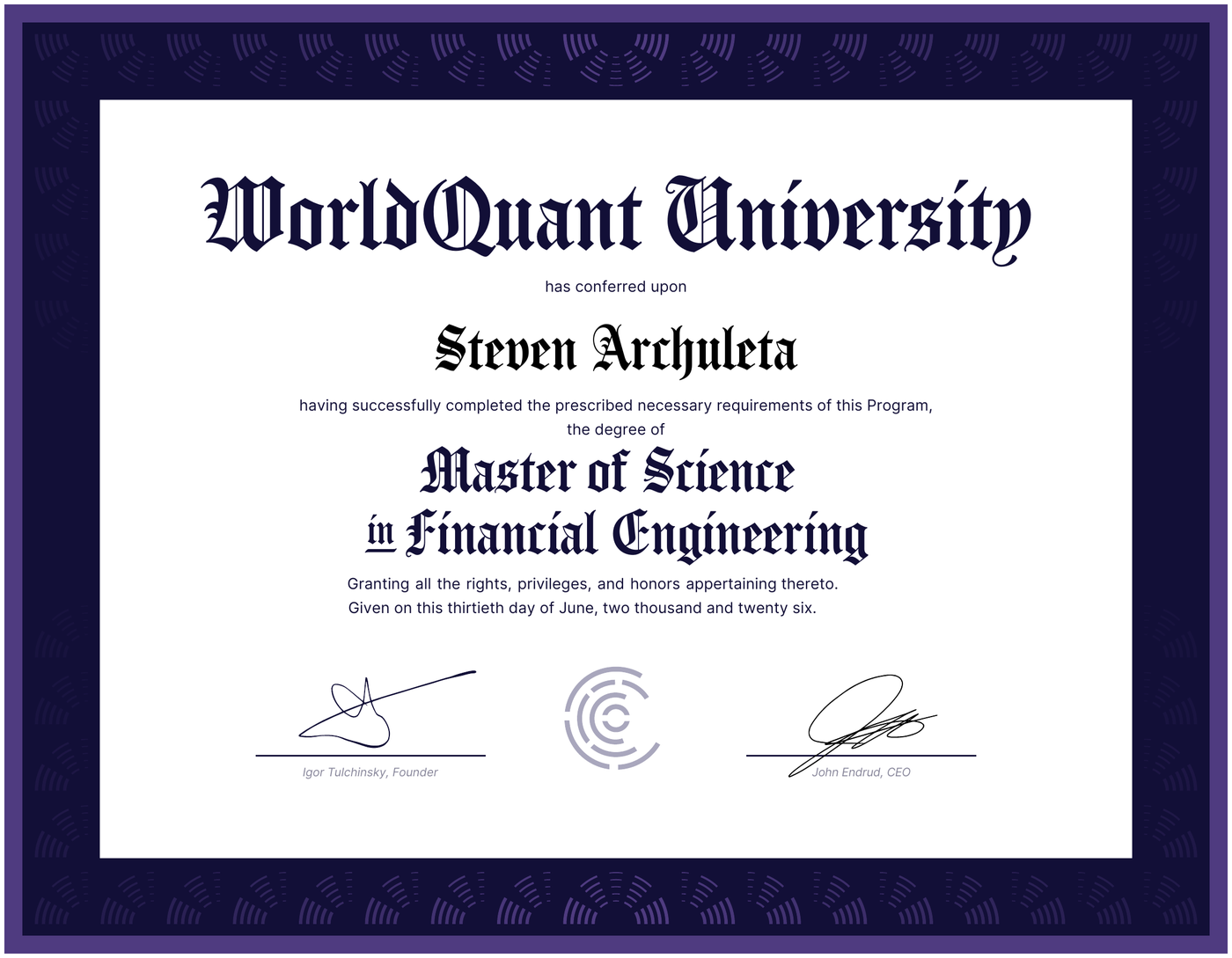
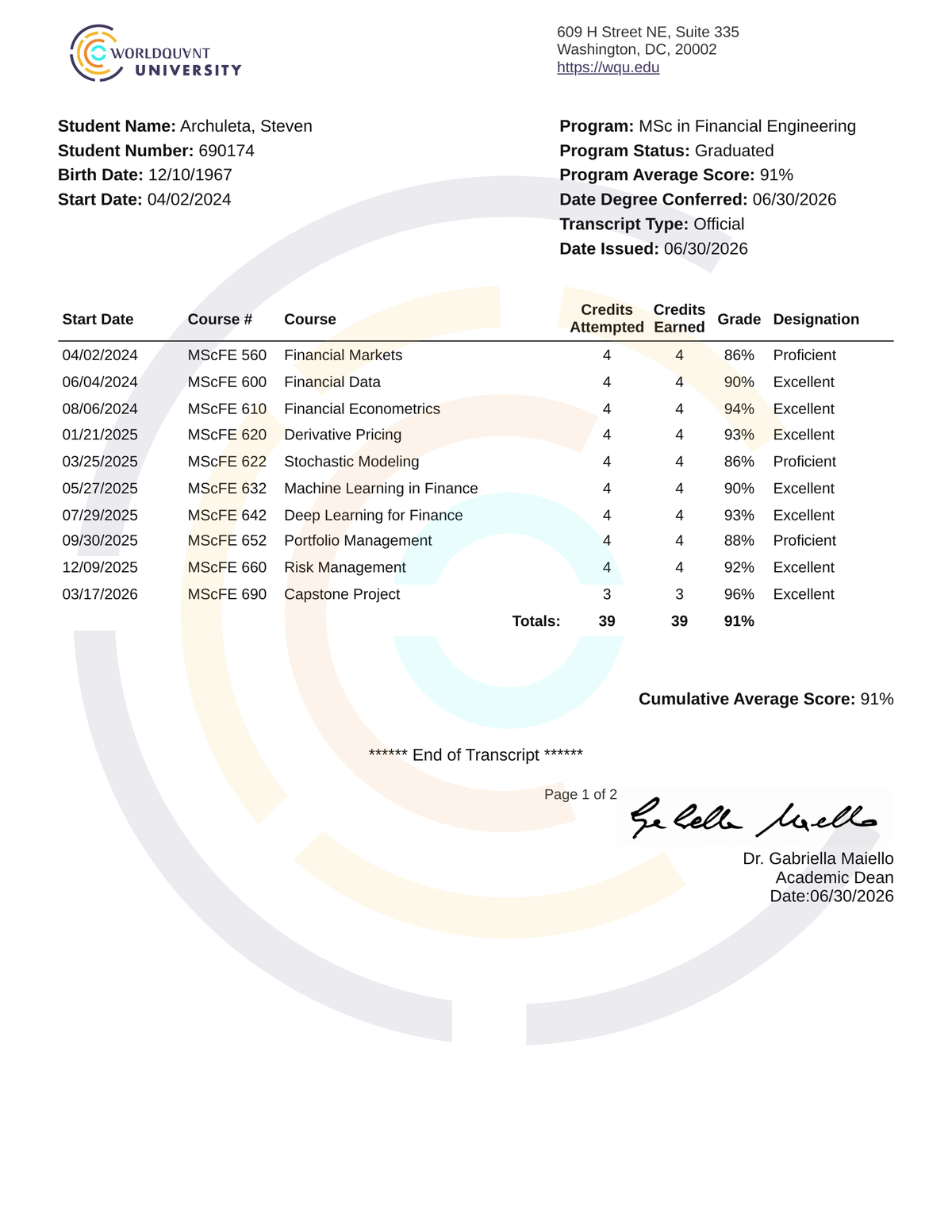
After years of pushing forward in Artificial Intelligence and Machine Learning, this week I graduated with a Master of Science degree in Financial Engineering from WorldQuant University, an international graduate program founded by Igor Tulchinski and known for its rigorous quantitative curriculum in mathematics, statistics, computer science, and finance. It wasn't easy, but as one of the oldest students at WQU (twice the age of most of my classmates), I held my own and graduated with a 4.0 GPA. Over a two-year span, I averaged 91% across 10 course disciplines. My age, rather than being a hindrance or disadvantage, served as fertilizer that enriched the soil — the patience, resilience, and perspective that only time, wisdom, and life experience can provide. Because of my well-seasoned enrichment, as the lessons grew stronger and more mathematically complex, my foundations grew as vibrant as the flower beds that were planted beside a well-kept lawn; they created harmony and depth within me, despite the intense coding vicissitudes found in my Pythonic environments. The lawn alone may look clean and ordered, but it is the soil, the flowers, and the care behind them that transform the space into a garden worth strolling through, season after season. In fact, my passion for cultivating gardens once led me to become a Master Gardener through the University of Maryland (2005) — a credential that foreshadowed the patience and precision I would later bring into coding and data science. Yet amid these seasons of growth, one major regret had remained.
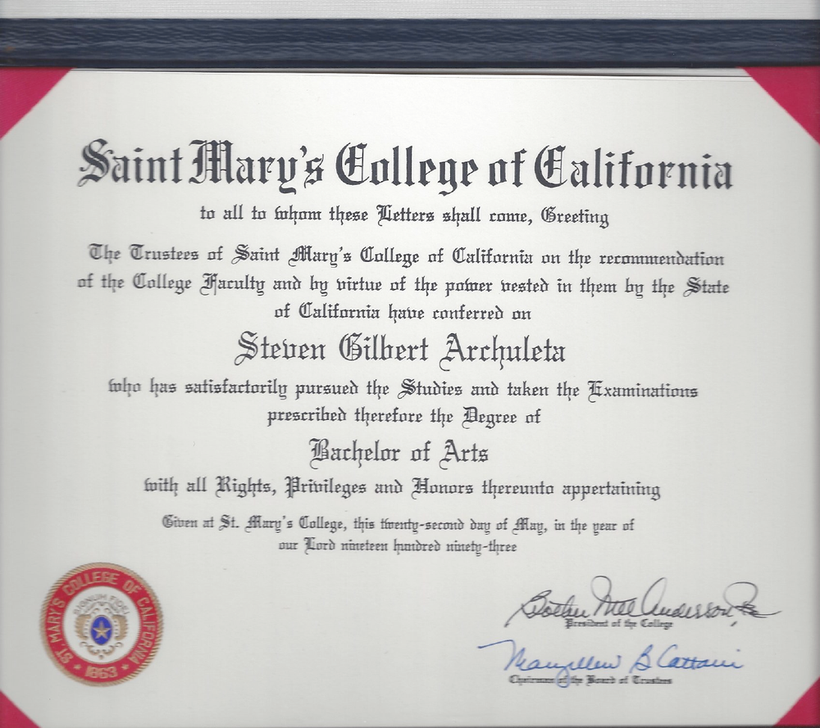
Over 25 years ago, I quit a master's degree program at Columbia University's College of Physicians and Surgeons in New York City. My withdrawal was my greatest regret, and I never thought I'd have another opportunity to complete a difficult graduate program, especially since I had already earned a BA from Saint Mary's College of California in 1991 and assumed that my academic journey was behind me. Not unlike lawns and many other perennials, my ambitions lay dormant. While ageism and bias might actually exist in today's tech world, I'm proving to myself and to the world that I can maintain my inner garden with discipline, commitment, rigor, and a balanced ecosystem of priorities. So, with sheer determination, I push forward.
Thus, now armed with an MScFE degree, I venture into a competitive financial and technological landscape, carrying a 21st-century skillset recognized by both industry and academia. As a data scientist, I'm neither free-minded nor undisciplined, but I know how to assess the landscape of big data. I know how to evaluate the assumptions and limitations of statistical frameworks, how to build robust, interpretable models that support objective, data-driven decisions, and how to cultivate insights that grow into strategies as persistent as the lawns and gardens that I've tended. With blades turning, I continue to push forward.